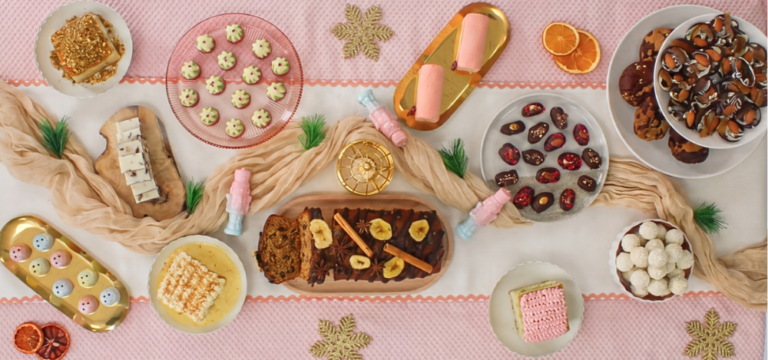
The festive season is no longer just about tradition. As consumers become more adventurous and globally inspired, Asian flavours are making their way into Christmas bakery, chocolate and dessert creations. Whether it’s the vibrant colour of matcha, the citrus brightness of yuzu, the warming spice of chai or the indulgent appeal of pistachio and honey, these flavours offer a fresh way to reinvent seasonal favourites. Read on to explore the trends shaping Christmas 2026 and how to bring them to life in your festive range.
by Kiera Guinnane
18 June 2026
For many years, Christmas has been centred around comforting classics; rich fruit cakes, traditional Christmas pudding (the best ones had a £1 coin in the middle), black forest yule logs, spiced biscuits. These all remain staples of the season but in 2026, festive flavours are evolving.
Consumers still crave that sense of nostalgic comfort during the festive season, but they are increasingly embracing new flavours, that bring freshness, excitement and a touch of global inspiration. Driven by international travel, social media and exposure to global cuisines, festive flavour innovation is becoming a keyway for brands to stand out during the busiest trading period of the year.
Currently in the UK, the flavours of Asia are no longer niche, they are shaping what customers expect to see on our menus, shelves and social feeds.
Below, we explore why Asian flavours are attracting growing consumer interest and how you can translate these trends into products your customers are actively seeking.
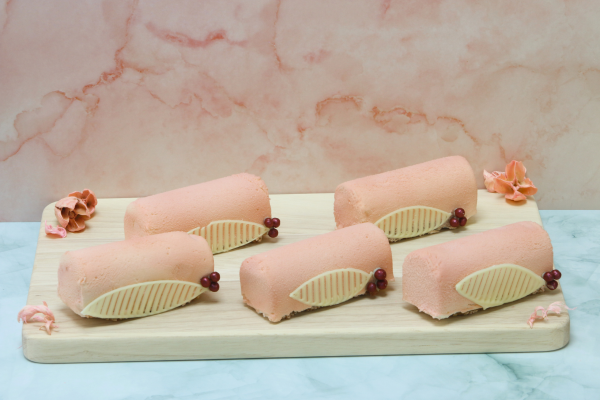
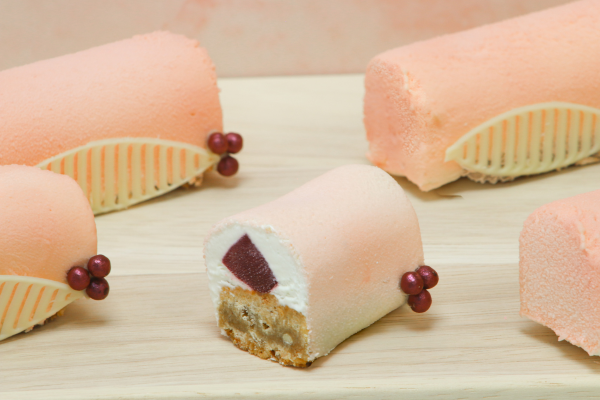
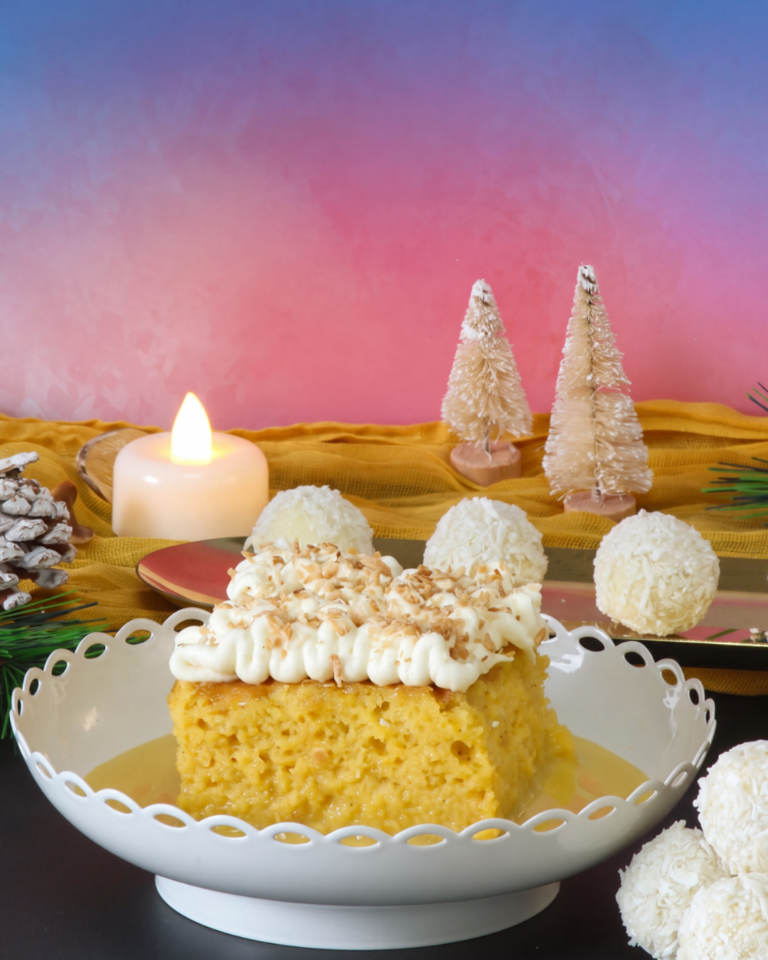
Global influence is driving everyday demand
Consumers are being open to more global food influences than ever before through travel, social media and exposure to global cuisines.
East Asian ingredients have become some of the most influential flavours across the food and drink industry, flavours like yuzu, matcha, miso and black sesame. East Asian influences, particularly Japanese and Korean flavours, are pushing boundaries with bold, layered flavour combinations. However, at the same time we are seeing significant growth in Indian-inspired flavours within the industry.
Indian flavours are moving beyond familiar
The UK’s longstanding love of Indian food is now evolving as the flavours enter sweet treats and confection. Customers are now looking for depth, authenticity and regional identity with their sweet goods.
Flavours like chai, cardamom, mango, ginger and turmeric are being reimagined across the bakery and confectionery industry. These flavours also pair exceptionally well with more familiar ingredients. Cardamom and orange create a bright, festive flavour combination, while chai works beautifully alongside caramel, chocolate and banana. Mango and coconut remain a popular pairing, delivering a flavour profile that feels both comforting and contemporary. These flavours bring warmth, familiarity and complexity – a powerful combination for repeat purchase. And you may ask, why does this work? Simple, build on those flavours that your customers already love and trust, delivering them with bold, unique flavours without being overwhelmed.
Japanese and Korean-inspired flavours continue to thrive across the food and drink industry, not only because they taste exceptional, but because they create products that stand out visually. In a social-media-driven market, ingredients such as matcha, yuzu, miso, sakura, and black sesame offer both striking aesthetics and distinctive flavour profiles. Alongside matcha, roasted green tea flavours such as hojicha are gaining attention for their warm, nutty character and excellent pairing with chocolate, caramel and nuts.
For Christmas 2026, yuzu is proving particularly exciting for bakery and chocolate applications. Its bright, aromatic citrus character pairs beautifully with fruits such as cherry and raspberry, adding freshness that balances richer flavours like chocolate, cream and blondie sponge. Meanwhile, miso caramel is emerging as one of the most talked-about flavour combinations in bakery and confectionery. Building on consumers’ existing love of salted caramel, miso adds a subtle savoury note that enhances the buttery sweetness of caramel and helps prevent it from becoming overly sweet. The result is a flavour that feels familiar, indulgent and contemporary, making it a natural fit for festive chocolates, truffles, bonbons and dessert creations.
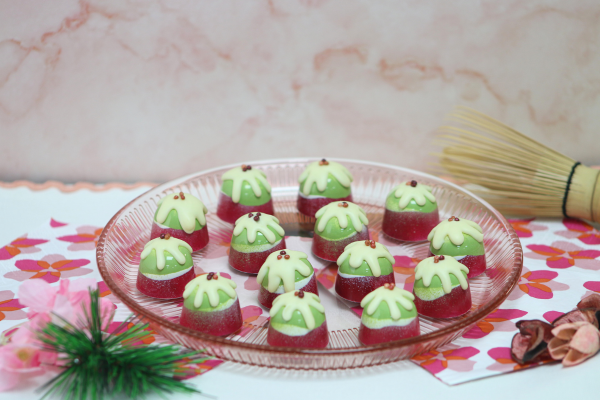
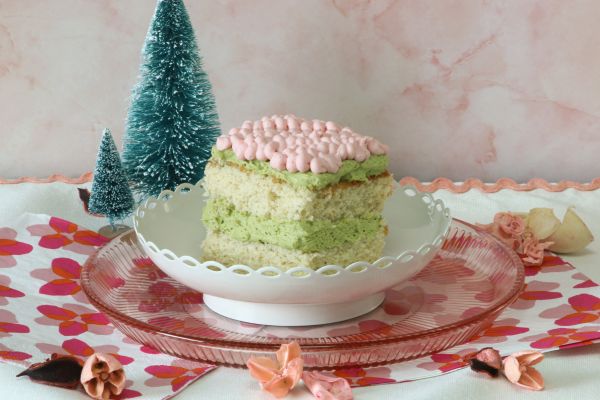
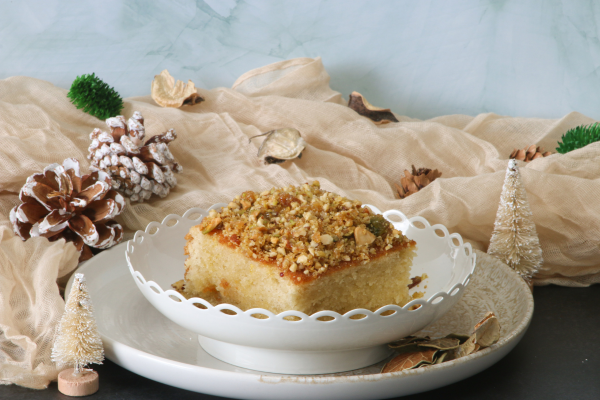
While East Asian and Indian flavours continue to gain momentum, Middle Eastern flavours remain firmly on consumers’ radar. The Dubai style chocolate trend that exploded across social media in 2024 shows little sign of disappearing, consumers are looking for products that deliver contrast, with crunchy elements such as roasted nuts, crispy kadaif pastry and feuilletine helping create more memorable eating experiences. What began as a viral sensation has become a flavour combination that customers actively seek out, making pistachio one of the most influential ingredients in sweet treats today.
Baklava-inspired flavours are a natural fit for Christmas. Pistachios, honey, nuts and warming spices sit comfortably alongside traditional festive flavours, offering a different take on seasonal favourites. Dates are also becoming increasingly popular, appearing in everything from chocolate-coated snacks and stuffed dates to brownies, cookies and festive cakes. Their rich sweetness pairs particularly well with chocolate, pistachio and warming spices, making them an easy way to bring Middle Eastern influences to festive bakery and confectionery.
Many popular desserts from Asia and the Middle East celebrate sticky and syrup-soaked textures. From baklava and sticky dates to mochi and gulab jamun, these desserts celebrate moisture, richness and indulgence.
This trend feels particularly relevant for Christmas, a season already associated with rich fruit cakes, sticky puddings and decadent desserts. Dates are becoming an increasingly popular ingredient thanks to their natural sweetness and soft texture, while honey, caramel and tropical fruits such as mango can all help create the gooey, comforting textures consumers love. Combined with warming spices, nuts and chocolate, these ingredients offer an easy way to introduce global influences while staying true to the indulgent spirit of the festive season.
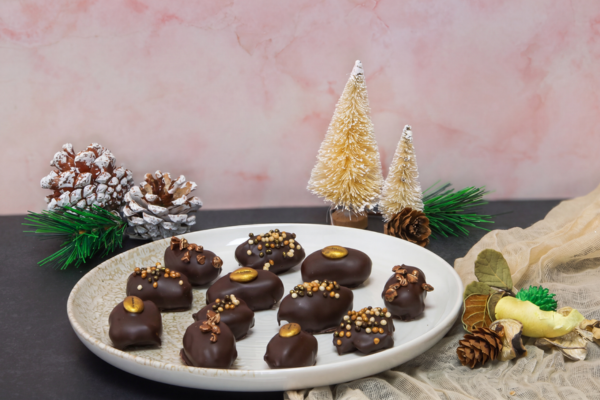
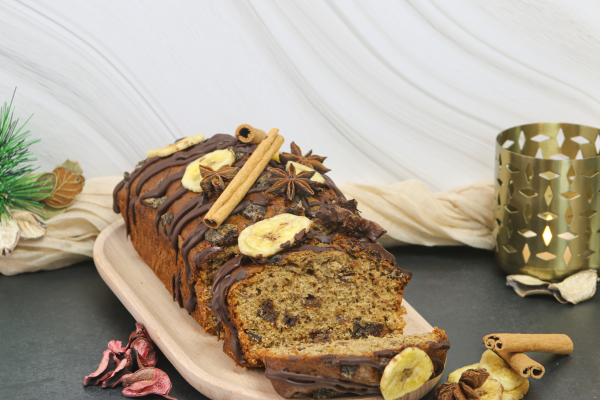
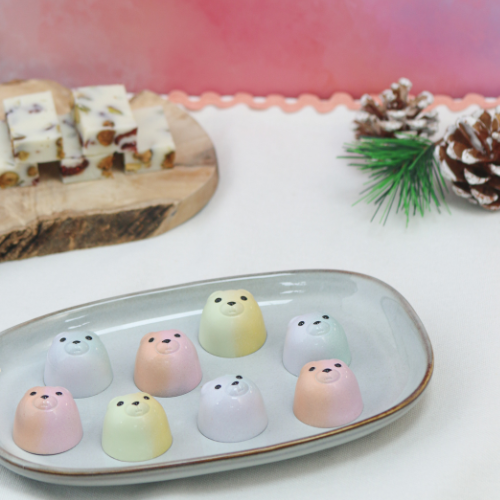
When we think of festive colours, rich reds, deep greens, golds and silver have traditionally dominated bakery, chocolate and confectionery. However, for Christmas 2026, we’re seeing a softer colour palette emerge across the industry. Pastel shades such as buttery yellow, millennial pink, powder blue and mint green are appearing more frequently across cakes, chocolates, desserts and seasonal displays, offering a fresh alternative to traditional festive styling.
Driven by social media and the demand for visually striking products, pastels have become highly shareable, helping products stand out in crowded feeds. Today’s pastel trend is also evolving beyond soft baby colours, with richer tones such as blush rose, cloud lavender and iced mint creating a more refined look. These shades evoke feelings of nostalgia, comfort and escapism, while lending themselves perfectly to flavours such as matcha, pistachio, rose, ube, sakura and white chocolate.
For chocolatiers looking to embrace the trend, Roxy & Rich cocoa butters make it easy to add a splash of colour, or the entire rainbow, to festive creations. For even softer, dreamier tones, simply blend coloured cocoa butters with white cocoa butter to create your own bespoke pastel shades.
Asian flavours are creating exciting new opportunities across bakery, chocolate and confectionery. From matcha and yuzu to chai, pistachio and dates, these globally inspired flavours are helping brands refresh festive classics.
This is just the beginning. Keep an eye out for Part 2 of our Asian Flavour Trends series, where we will explore practical product ideas and application concepts to help bring these trends to life across your festive range.
We would love to see how you’re incorporating global flavours into your range. Don’t forget to tag us @keylinkltd on social media and share your latest creations,

Kiera is a Marketing Executive, a certified sweet tooth, proud dog owner to two beautiful pups, and all about clothes, handbags and make-up.
Her favourite chocolate is Valrhona Opalys 33% White Chocolate.